Rain Garden Design
and Water Management
Detailed reference material on planning, sizing, and planting rain gardens that absorb stormwater runoff from roofs and yards across Polish landscapes.
Methods and Guidance
Three in-depth articles covering the main aspects of rain garden implementation in Polish conditions.
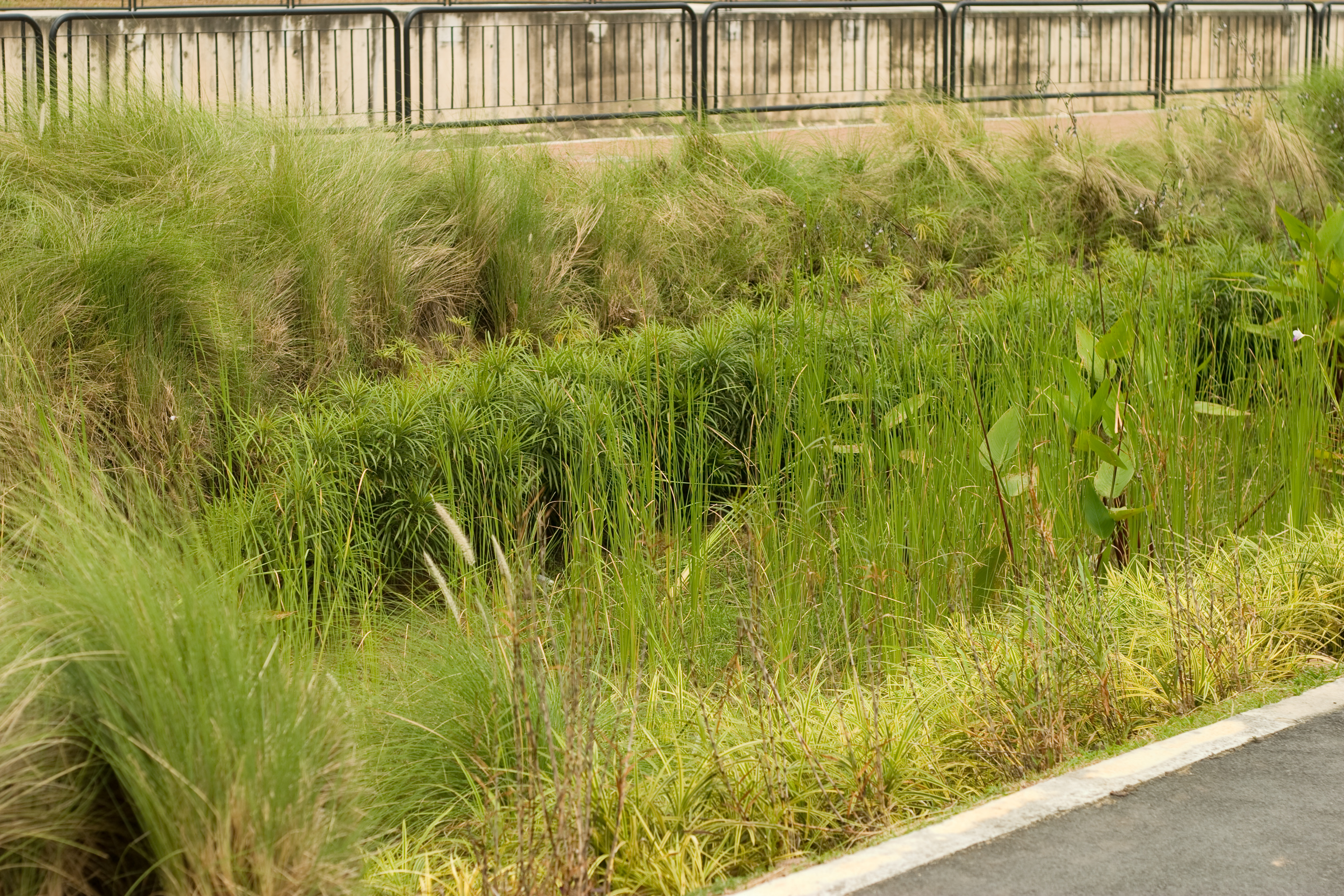
How to evaluate drainage area, measure soil permeability, and size a rain garden relative to the contributing roof or yard surface in Polish conditions.

Plant species native to or naturalised in Poland that tolerate periodic inundation followed by dry intervals — with planting zone guidance.
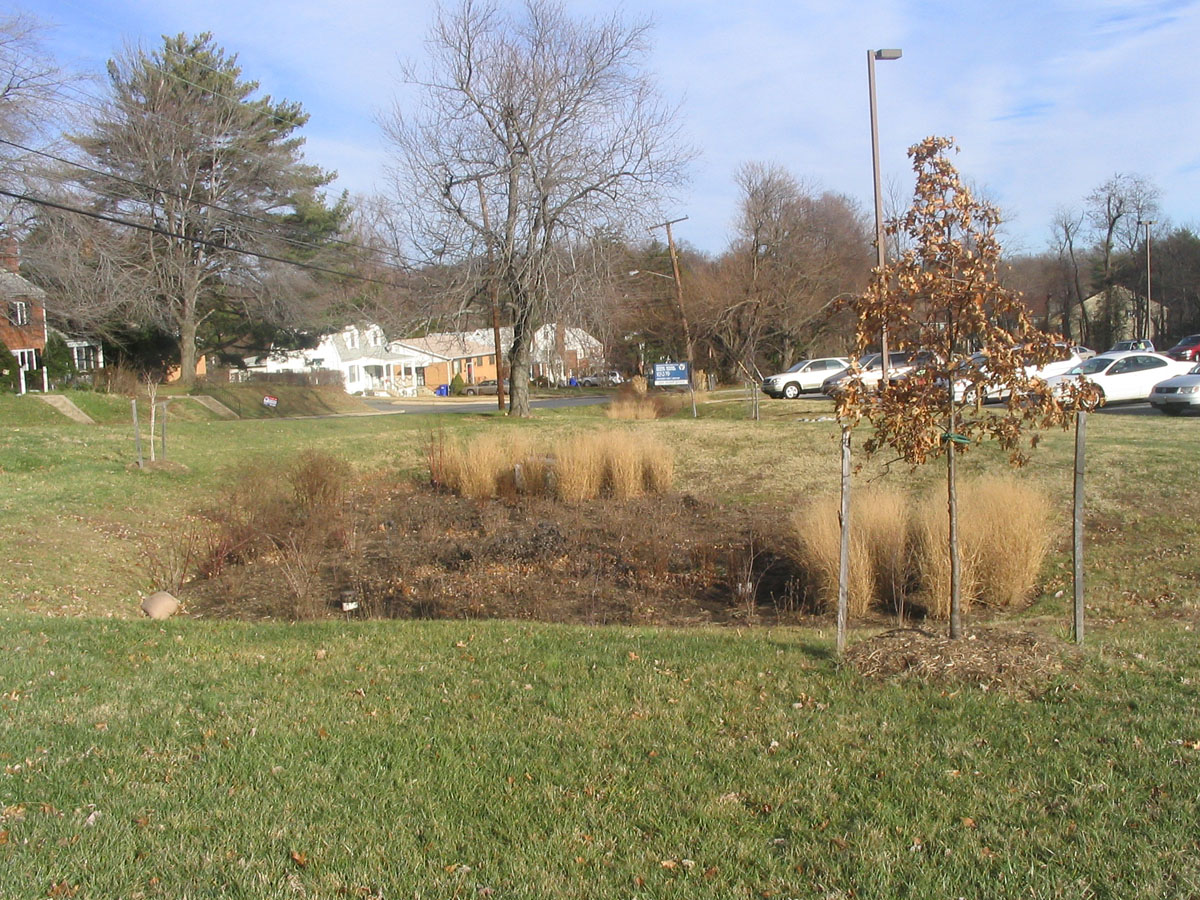
Downspout disconnection methods, distribution channels, and overflow design for directing roof runoff into garden infiltration areas on small urban plots.
Rain Gardens in the Polish Context
Poland's urban areas increasingly face localised flooding during summer convective storms. Many older residential districts were built without provision for on-site stormwater retention. Rain gardens — shallow depressions planted with species tolerant of wet-dry fluctuations — offer a practical approach to reducing runoff volume from individual properties.
Soil conditions vary considerably across Poland. The Mazovian lowlands typically have silty or sandy-loam profiles with moderate permeability; Silesian and Lower Silesian clay-heavy soils require soil amendment before a rain garden can function effectively. The articles on this site address these regional differences.
Polish water management is governed primarily by the Prawo wodne (Water Law Act of 2017) and associated municipal stormwater regulations. Local spatial plans increasingly require new developments to manage the first 10–15 mm of rainfall on site.

What This Site Covers
Sizing and Location
Calculating rain garden area as a proportion of contributing drainage surface, and placing the garden away from foundations, utilities, and septic systems.
Soil Preparation
Assessing native soil permeability using percolation tests, and blending amended soil mixes that balance drainage with nutrient retention for plant establishment.
Plant Selection
Identifying species from the Polish flora that tolerate both standing water during storm events and extended dry periods between rains.
Runoff Routing
Disconnecting downspouts from the drainage system and directing water via surface swales or subsurface pipes into the rain garden inlet zone.
Overflow Design
Providing an emergency overflow outlet so that water exceeding the garden's capacity discharges safely rather than threatening foundations or neighbouring property.
Maintenance
Seasonal inspection and maintenance tasks — sediment removal from the inlet, plant establishment monitoring, and mulch replenishment — to sustain long-term performance.